
 Image 1 of 1
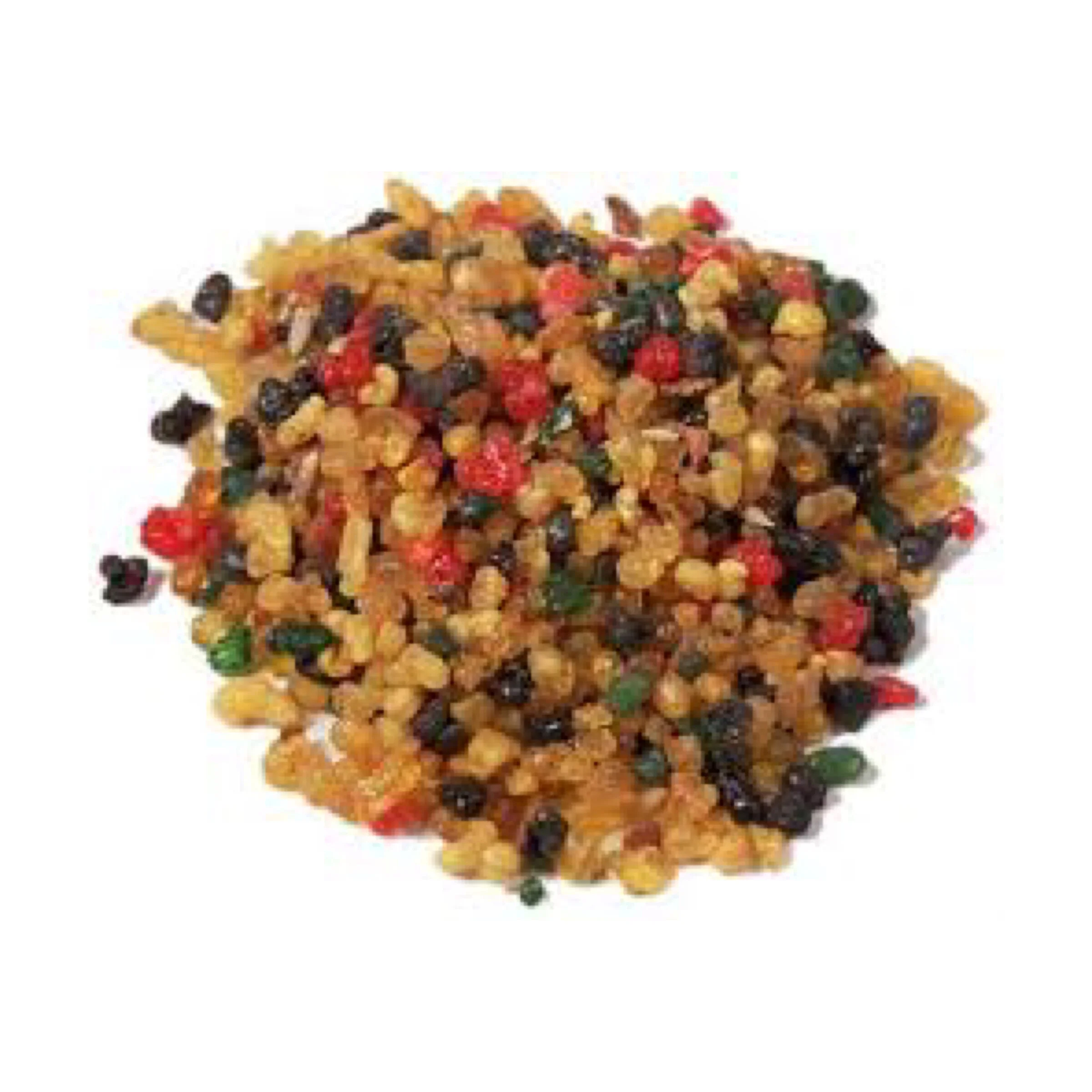
This wonderful resin incense mix known as "Celtic Blend" is comprised of Frankincense, Myrrh, Benzoin and Lavender. It's used for a variety of purposes such as meditation, cleansing, purification and healing. To use, you can light a piece of charcoal and drop your the resin mix on it; when they begin to smolder, they release their wonderful fragrance.
Frankincense is the hardened sap that runs from the Boswellia carter, a tropical tree in the torchwood family that grows in northern Africa, Asia and the Middle East. Frankincense tears consist of the resin obtained from the tree. It takes between 8 and 10 years for these small, thorny, shrub-like trees to mature before the milky resin can be hand-harvested. Frankincense granules are highly aromatic and are typically burned over smoldering charcoal bricks as incense and has been used since ancient times.
Myrrh is a natural gum or resin extracted from a number of small, thorny tree species of the genus Commiphora. When the bark of the tree is cut, the resin escapes in “tears” or small beads, which harden quickly and become glossy and amber-colored with age. Dried myrrh gum is highly fragrant and is used alone or in blends with other materials to create quality incense. Myrrh resin has also been used throughout history as a perfume and medicine.
Benzoin (Sumatra), also known as Gum Benjamin, is resin is obtained from Styrax Benzoin trees and has a faint aroma similar to vanilla when dried. The cultivation of trees with the expectation of harvesting benzoin gum takes an investment of time more than anything else. In fact, the gum cannot be extracted from the tree for at least seven years. Each mature tree, however, will continue to yield roughly three pounds of resin for the next decade or more. Benzoin gum is a common ingredient in incense-making and perfumery.
Lavender is often used for ceremonial use or in natural incense. It's flower buds are exceptionally fragrant and these English Lavender buds which were grown in France have a rich purple tone and are about the size of a grain of rice.
This is a non-combustible resin incense, which means heat must be applied to release its fragrance (usually with a self-lighting charcoal tablet).
To use incense, ignite a charcoal tablet and place in a heat-proof container. You can grind the incense to a fine powder and sprinkle on the glowing tablet. Or place resin on tablet and cover the heat proof container.
This wonderful resin incense mix known as "Celtic Blend" is comprised of Frankincense, Myrrh, Benzoin and Lavender. It's used for a variety of purposes such as meditation, cleansing, purification and healing. To use, you can light a piece of charcoal and drop your the resin mix on it; when they begin to smolder, they release their wonderful fragrance.
Frankincense is the hardened sap that runs from the Boswellia carter, a tropical tree in the torchwood family that grows in northern Africa, Asia and the Middle East. Frankincense tears consist of the resin obtained from the tree. It takes between 8 and 10 years for these small, thorny, shrub-like trees to mature before the milky resin can be hand-harvested. Frankincense granules are highly aromatic and are typically burned over smoldering charcoal bricks as incense and has been used since ancient times.
Myrrh is a natural gum or resin extracted from a number of small, thorny tree species of the genus Commiphora. When the bark of the tree is cut, the resin escapes in “tears” or small beads, which harden quickly and become glossy and amber-colored with age. Dried myrrh gum is highly fragrant and is used alone or in blends with other materials to create quality incense. Myrrh resin has also been used throughout history as a perfume and medicine.
Benzoin (Sumatra), also known as Gum Benjamin, is resin is obtained from Styrax Benzoin trees and has a faint aroma similar to vanilla when dried. The cultivation of trees with the expectation of harvesting benzoin gum takes an investment of time more than anything else. In fact, the gum cannot be extracted from the tree for at least seven years. Each mature tree, however, will continue to yield roughly three pounds of resin for the next decade or more. Benzoin gum is a common ingredient in incense-making and perfumery.
Lavender is often used for ceremonial use or in natural incense. It's flower buds are exceptionally fragrant and these English Lavender buds which were grown in France have a rich purple tone and are about the size of a grain of rice.
This is a non-combustible resin incense, which means heat must be applied to release its fragrance (usually with a self-lighting charcoal tablet).
To use incense, ignite a charcoal tablet and place in a heat-proof container. You can grind the incense to a fine powder and sprinkle on the glowing tablet. Or place resin on tablet and cover the heat proof container.